What size solid wood stair treads should you choose?
Core ergonomics and safety guidelines for creating a comfortable, stable, and visually refined staircase
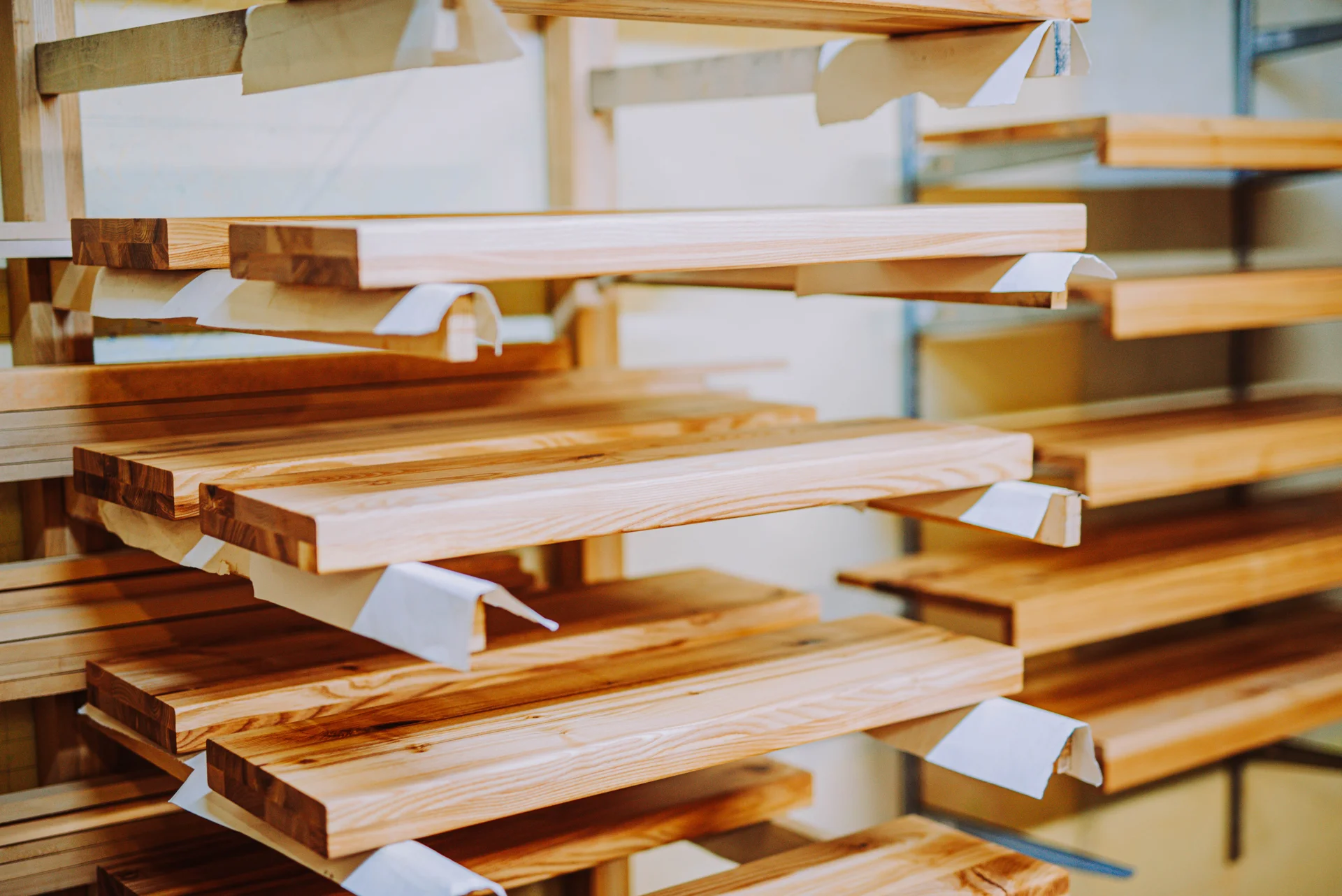
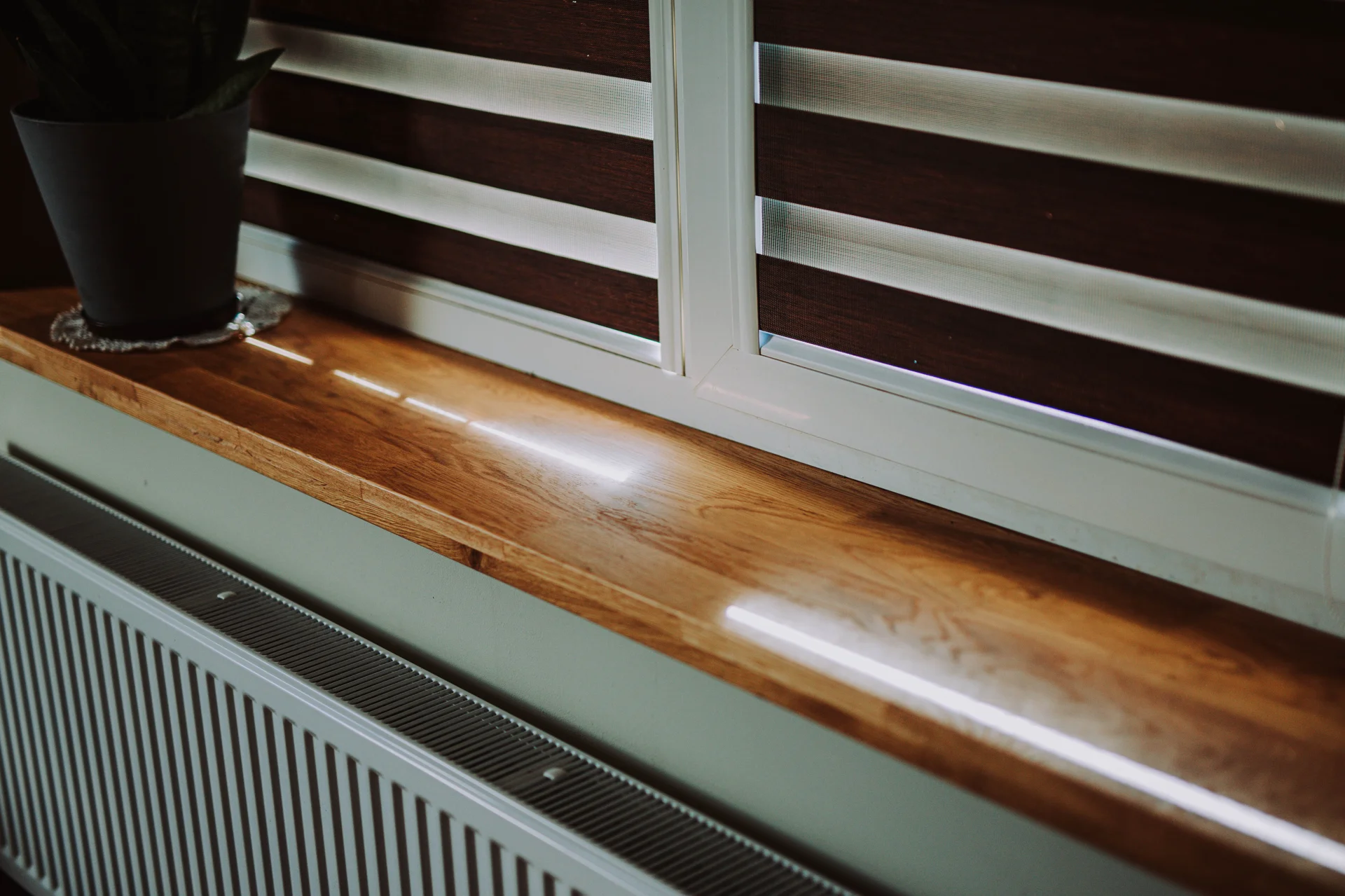
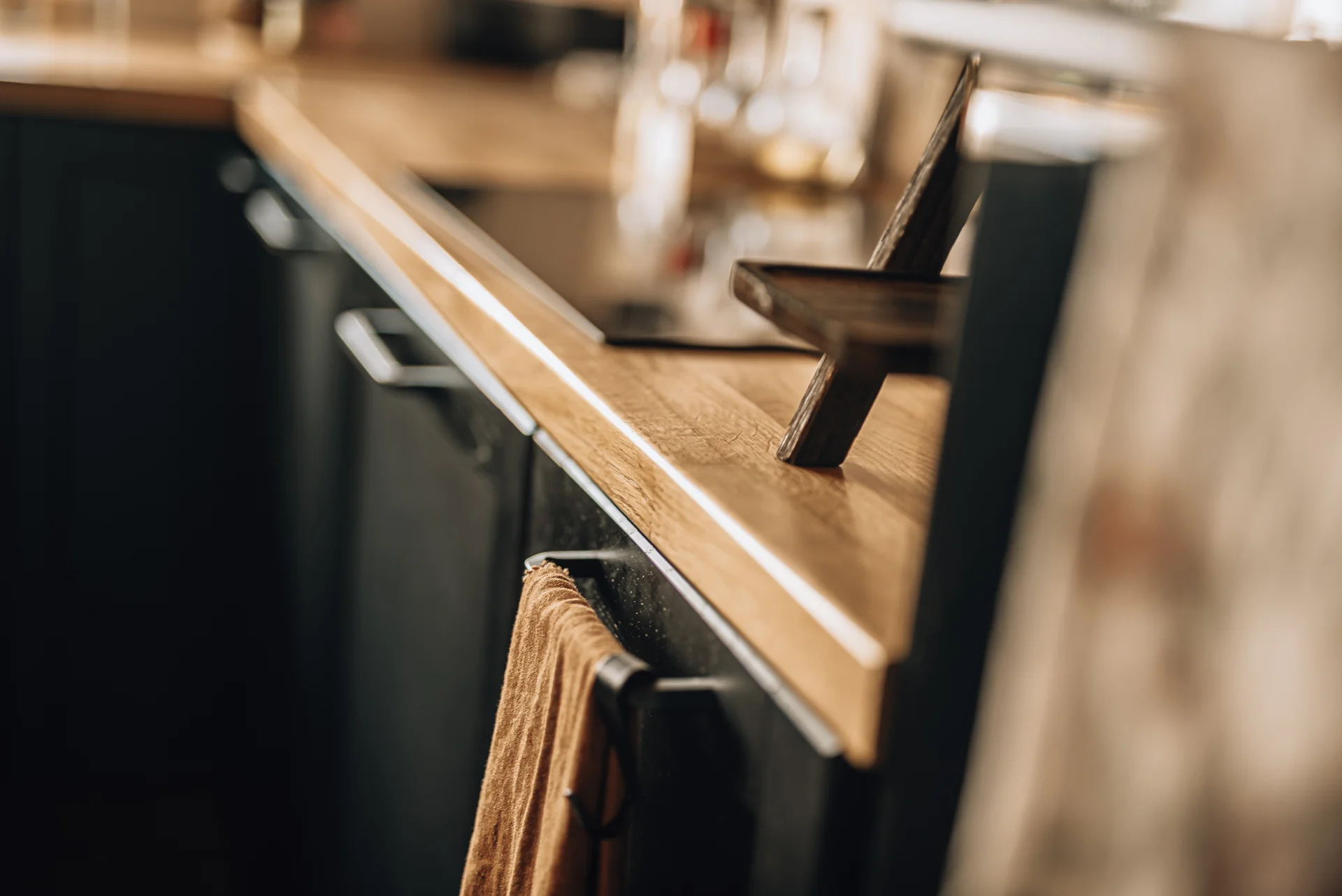
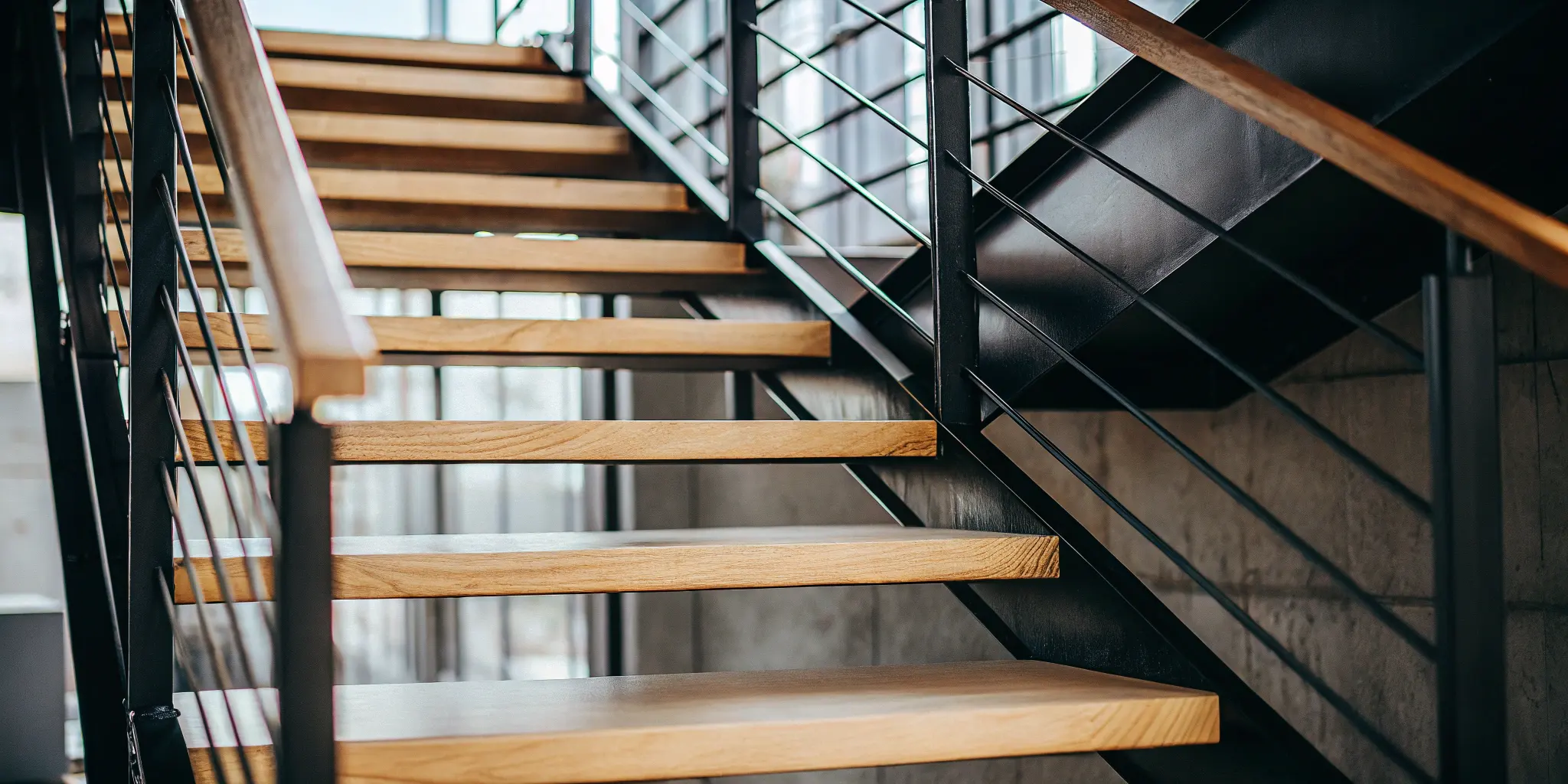
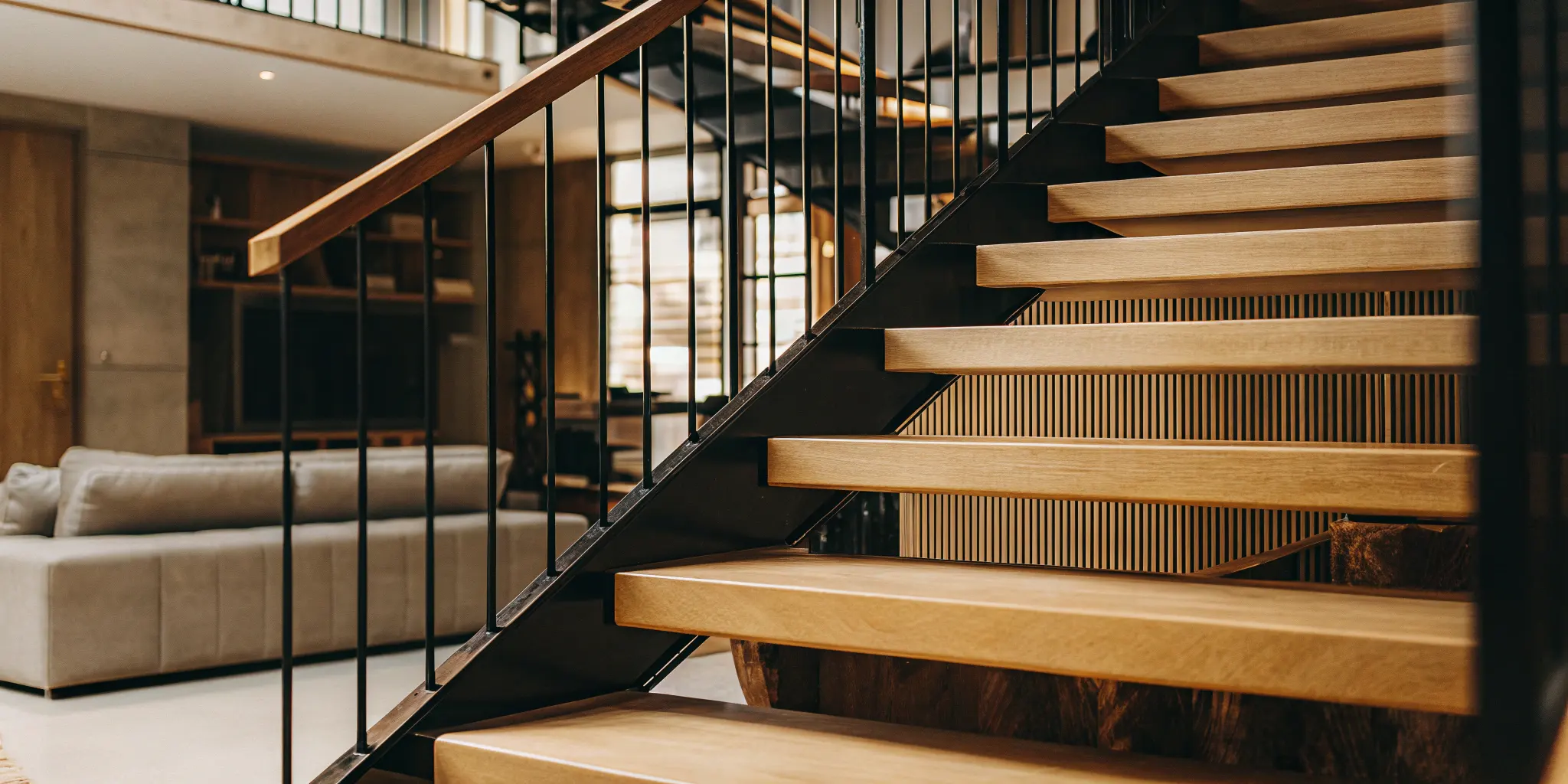
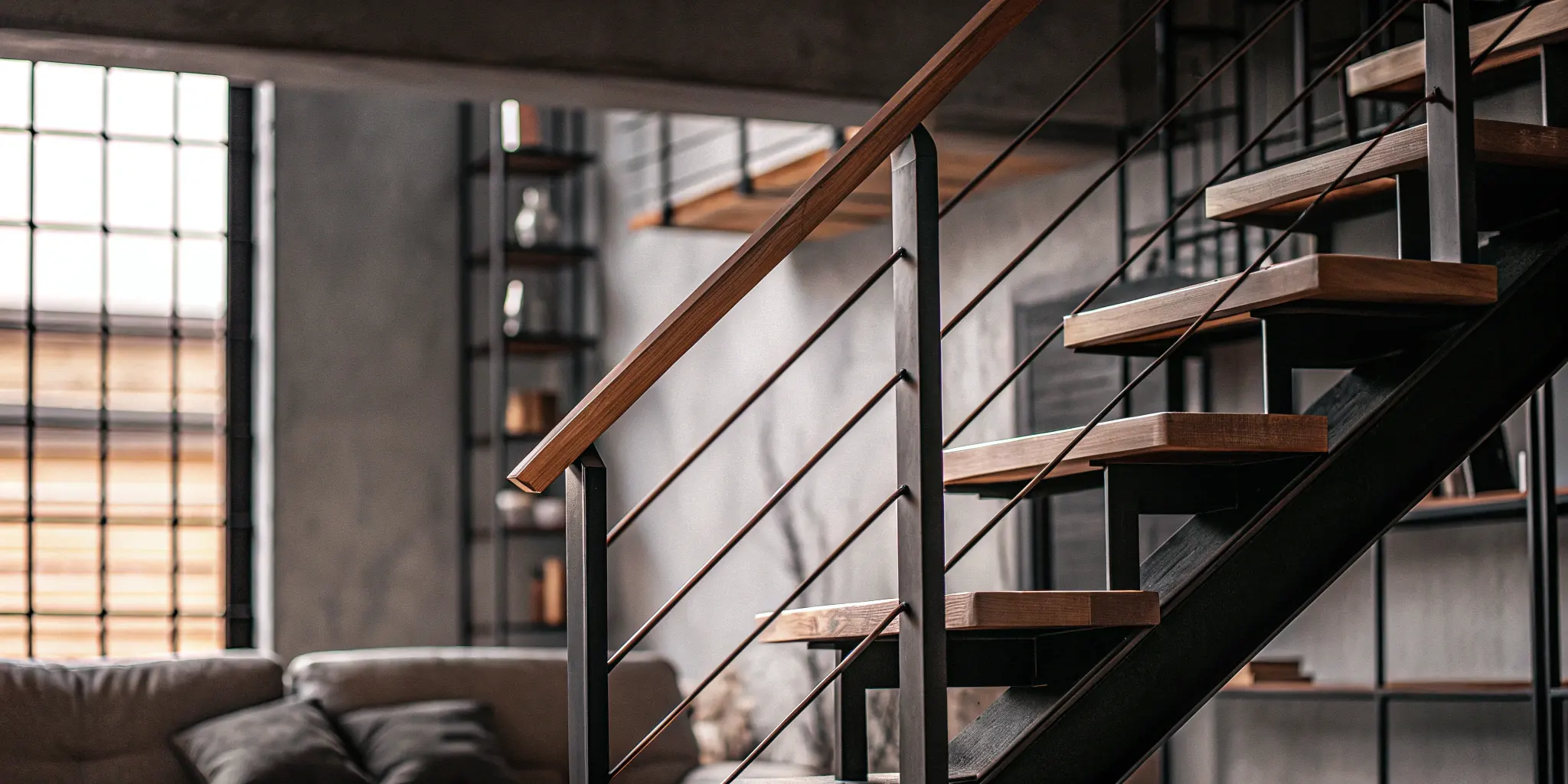
The joinery workshop at Soul in Wood crafts bespoke solid wood stair treads in custom dimensions and profiles, engineered to complement the architectural layout of your home. A staircase is far more than a functional circulation route connecting floors—it is a central spatial sculpture. Selecting the right tread dimensions guarantees both effortless ergonomic comfort and a balanced architectural presence.
The golden rule of stair ergonomics: the proportional relationship between riser height and tread depth must precisely mirror the natural human stride, ensuring safe, intuitive, and rhythmic ascent.
Essential dimensional criteria to consider
When determining custom dimensions for solid timber treads, evaluate three interrelated spatial parameters:
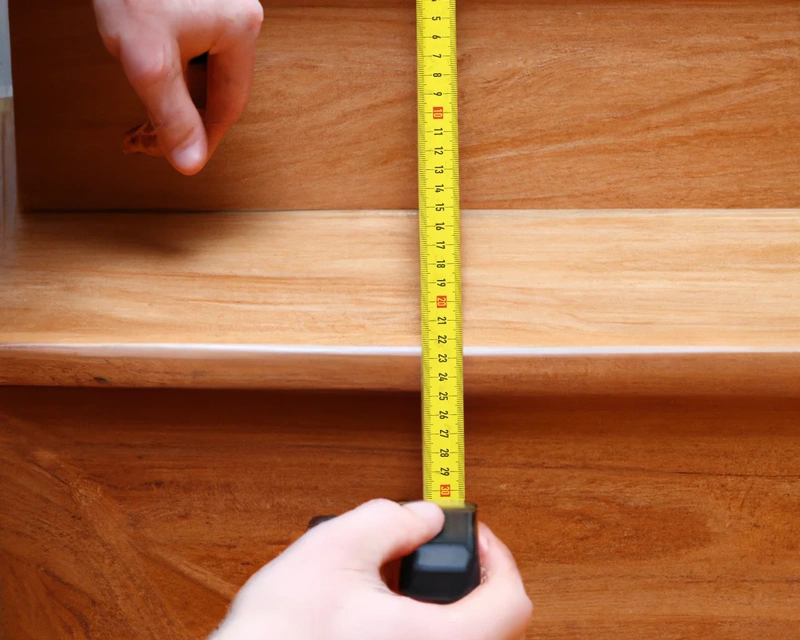
Tread depth (Going): The usable stepping surface must generously support the human foot during ascent and descent. While a baseline minimum going is 25 cm (250 mm), a depth of 30 cm (300 mm) or wider is recommended for optimal daily residential comfort.
Riser height: The vertical distance between steps must remain rigorously consistent throughout the entire flight. Even a variance of a few millimeters can disrupt muscle memory and cause tripping. In residential projects, an optimal riser height ranges between 15 cm and 20 cm (150–200 mm).
Pitch angle: The incline angle determines ease of travel and safety. An incline angle between 30 and 35 degrees represents the proven architectural standard for private residences.
Household requirements and technical nuances
Stair dimensions must reflect the specific demographics of those using them daily. In households with young children or aging residents, specifying lower risers paired with deeper treads ensures safer, physically effortless movement.
Beyond flight geometry, key structural specifications demand equal attention:
Tread thickness: To guarantee absolute deflection resistance, stability under load, and acoustic solidness, our standard solid hardwood tread thickness is calibrated to 40 mm (4 cm). This substantial mass also significantly enhances sound dampening underfoot.
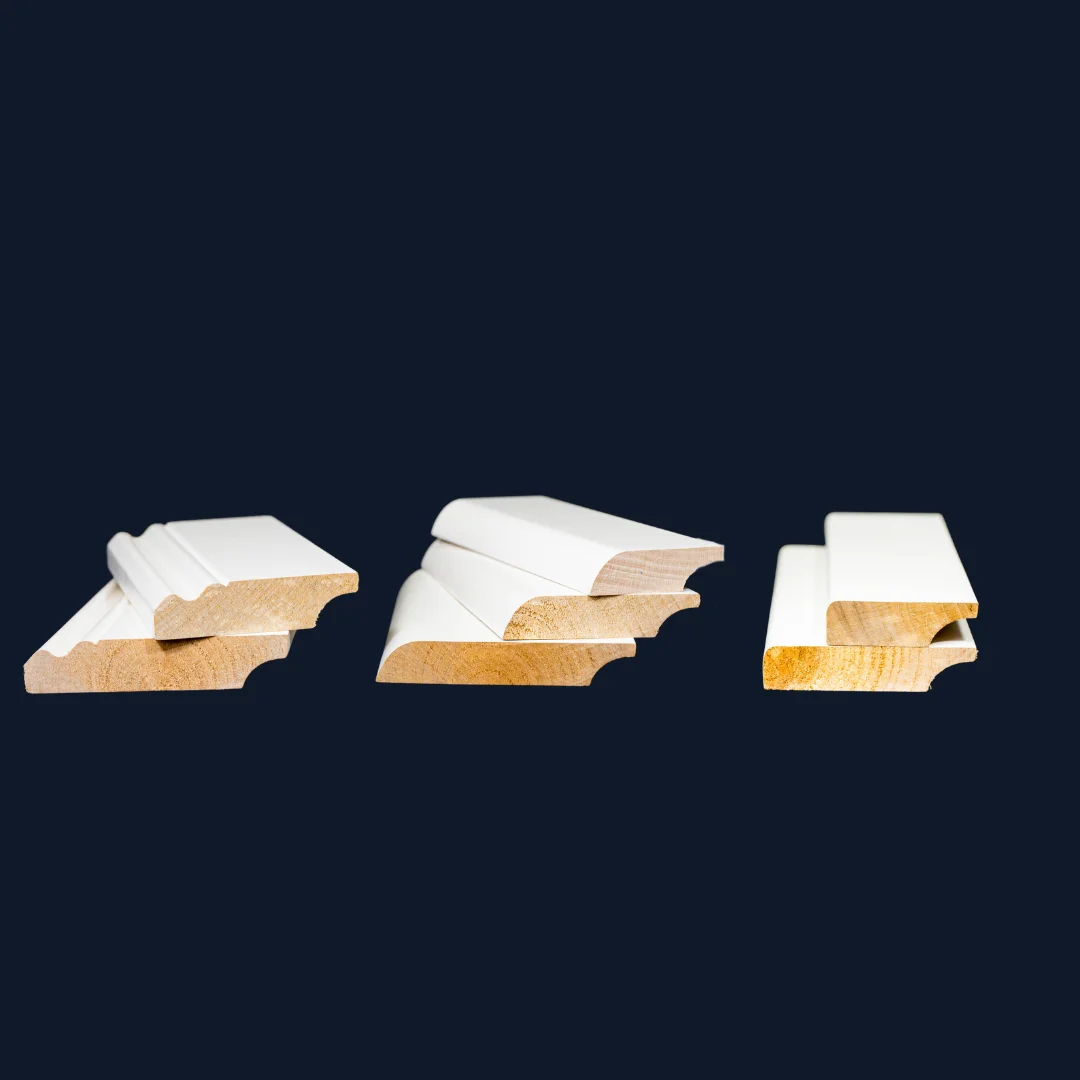
Timber selection and aesthetic impact: Different hardwood species possess unique cellular structures and dimensional limits. The physical thickness and profile of your treads directly influence the perceived visual weight and structural gravity of your staircase within the interior.